Rebuilding Trust: Repairing a Broken Relationship
Rebuilding Trust: Repairing a Broken Relationship
The erosion of trust is a significant impediment to any meaningful relationship, be it romantic, familial, or professional. When trust is fractured, the foundation upon which the relationship rests becomes unstable, leading to conflict, distance, and ultimately, potential dissolution. Rebuilding trust, therefore, is a complex and challenging process that requires careful consideration, unwavering commitment, and a willingness to engage in difficult self-reflection. This process necessitates understanding the root causes of the breach, actively working to repair the damage, and demonstrating consistent, reliable behavior moving forward.
Understanding the Breach: Identifying the Root Causes
Before embarking on the arduous journey of rebuilding trust, it is crucial to accurately identify the specific actions or inactions that led to the breach. This requires honest introspection and a willingness to acknowledge one's role in the breakdown. Simply assigning blame will not facilitate reconciliation; rather, a thorough understanding of the contributing factors is essential to developing effective strategies for repair.
Identifying Specific Behaviors
The first step involves pinpointing the precise behaviors that eroded trust. This could range from overt acts of betrayal, such as infidelity or dishonesty, to subtler forms of damage, such as consistent unreliability, broken promises, or a lack of emotional support. It’s vital to articulate these behaviors clearly and specifically, avoiding generalizations or vague accusations.
Exploring Underlying Issues
Beyond identifying specific actions, it's equally important to explore the underlying issues that contributed to the breakdown. These might include unresolved conflicts, unmet needs, communication breakdowns, or differing values and expectations. These deeper-seated problems often serve as the fertile ground from which distrust can germinate and flourish. Addressing these underlying issues is paramount to preventing future breaches.
Taking Ownership and Accepting Responsibility
Acknowledging one's role in the breakdown is paramount. This involves taking ownership of one's actions and accepting responsibility for the pain caused. Avoiding blame-shifting and engaging in genuine self-reflection are crucial for demonstrating remorse and building credibility in the repair process. A sincere apology, acknowledging the impact of one's behavior on the other party, is a foundational step in this process.
Strategies for Repairing the Damage
Rebuilding trust is a gradual and iterative process that demands consistent effort and patience. There are no quick fixes, and setbacks are inevitable. However, by employing the following strategies, individuals can significantly improve the chances of successfully repairing a broken relationship.
Open and Honest Communication
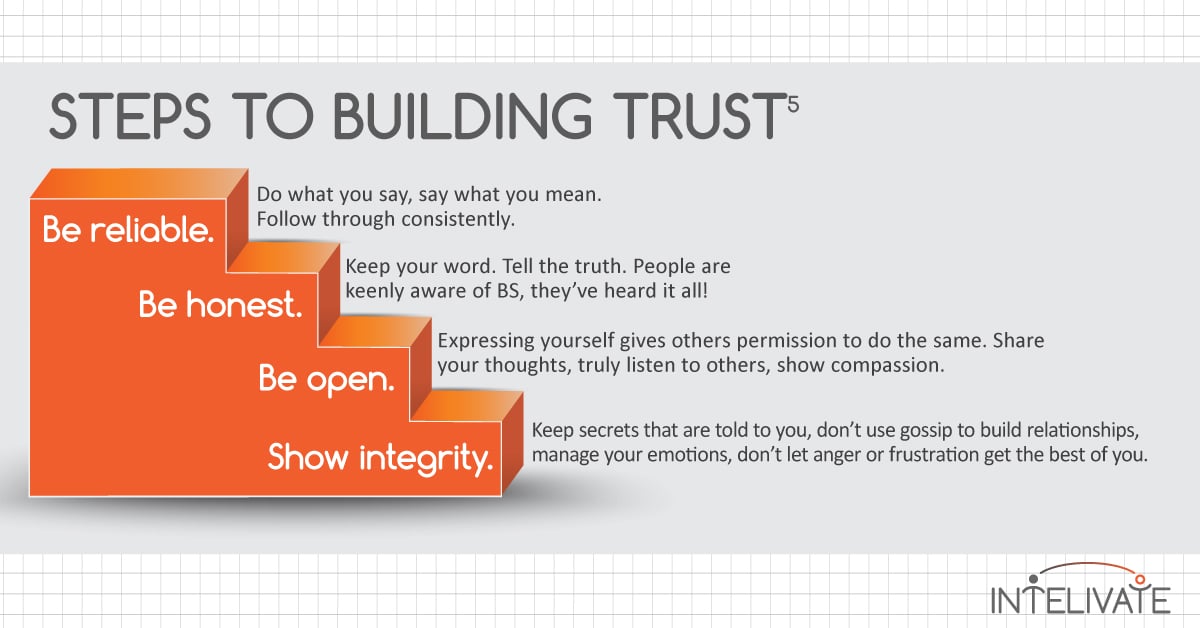
Open and honest communication is the cornerstone of any healthy relationship, and it is especially crucial in the process of rebuilding trust. This necessitates creating a safe space for vulnerable dialogue, where both parties feel comfortable expressing their thoughts and feelings without fear of judgment or reprisal. Active listening, empathy, and a willingness to understand the other person's perspective are essential components of this process.
Demonstrating Consistent Reliability
Consistent reliability is vital in restoring trust. This means consistently following through on commitments, keeping promises, and being dependable in all interactions. Small acts of reliability, such as being punctual or responding promptly to messages, can cumulatively build confidence and demonstrate a renewed commitment to the relationship.
Making Amends and Taking Action
Depending on the nature of the breach, making amends may involve concrete actions, such as offering restitution or making changes in behavior. For example, if trust was broken through financial mismanagement, taking steps to improve financial practices and demonstrate responsible handling of funds would be crucial. Actions speak louder than words, and demonstrable efforts to repair the damage are essential.
Seeking Professional Help
In some cases, seeking professional help from a therapist or counselor can be invaluable. A neutral third party can provide guidance, facilitate communication, and offer tools and strategies for managing conflict and rebuilding trust. Professional support can be particularly helpful when the breach involves complex issues or significant emotional damage.
Sustaining Trust: Maintaining a Healthy Relationship
Rebuilding trust is only the first step; maintaining a healthy relationship requires ongoing effort and commitment. Once trust has been restored, it’s vital to actively work to prevent future breaches. This involves cultivating a culture of mutual respect, open communication, and consistent reliability.
Continued Open Communication
Maintaining open and honest communication is essential for preventing future misunderstandings and conflicts. Regularly checking in with each other, expressing needs and concerns, and actively listening to one another can significantly contribute to maintaining a strong and trusting relationship.
Building Emotional Intimacy
Emotional intimacy involves sharing vulnerable feelings, thoughts, and experiences with one another. This creates a deeper connection and fosters a sense of safety and trust. By creating a space where both individuals feel comfortable expressing their emotions, the relationship can become stronger and more resilient to future challenges.
Practicing Forgiveness and Letting Go
Forgiveness is a crucial component of rebuilding and sustaining trust. It does not necessarily mean condoning past actions, but rather releasing resentment and anger to move forward. Letting go of the past and focusing on building a healthy future together is essential for long-term success.
Regular Self-Reflection
Regular self-reflection allows individuals to understand their own roles and responsibilities in maintaining a healthy relationship. This involves identifying potential triggers for conflict and developing strategies for managing stress and conflict constructively. This ongoing introspection can prevent future breaches and strengthen the bond between individuals.
In conclusion, rebuilding trust after a breach is a challenging but achievable endeavor. It requires a deep understanding of the root causes of the damage, a commitment to open and honest communication, and consistent efforts to demonstrate reliability and trustworthiness. By actively engaging in the strategies outlined above, individuals can navigate the complexities of repairing a broken relationship and create a stronger, more resilient bond built on a foundation of mutual trust and respect. The process requires patience, persistence, and a genuine commitment to working through the challenges together, ultimately leading to a more meaningful and fulfilling relationship.

0 comments :
Post a Comment
Note: Only a member of this blog may post a comment.