Effective Strategies to Cope with a Breakup and Move On
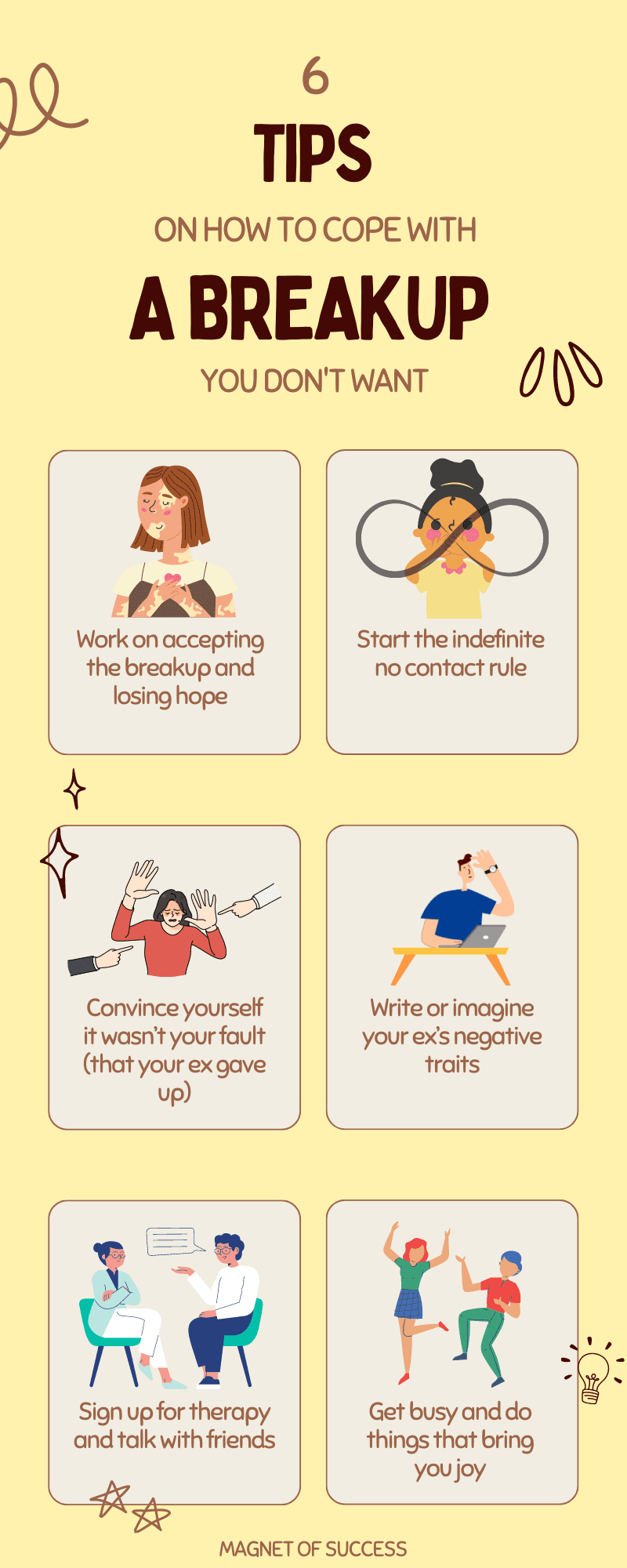
Navigating the Labyrinth of Loss: Effective Strategies for Coping with and Moving On from a Breakup
The termination of a romantic relationship, regardless of its duration or intensity, constitutes a significant life event capable of eliciting profound emotional distress. The experience of heartbreak, characterized by feelings of grief, loss, and uncertainty, can be overwhelming. However, with a strategic and mindful approach, individuals can effectively navigate this challenging period and emerge stronger and more resilient. This article outlines comprehensive strategies to cope with a breakup and facilitate a successful transition towards a fulfilling future.
Understanding the Emotional Landscape of a Breakup
Before embarking on the journey of healing, it is crucial to acknowledge and validate the complex array of emotions that accompany a breakup. Denial, anger, bargaining, depression, and acceptance â€" the stages of grief outlined by Kübler-Ross â€" often manifest in varying sequences and intensities. Understanding that these feelings are normal and part of the healing process is a critical first step. Suppressing or ignoring these emotions can prolong the healing process and hinder personal growth.
Recognizing the Spectrum of Emotional Responses
Individuals may experience a wide range of emotions, including but not limited to: sadness, loneliness, anger, betrayal, confusion, guilt, shame, anxiety, and fear. The intensity and duration of these emotions vary depending on individual factors such as personality, attachment style, the nature of the relationship, and the circumstances surrounding the breakup. It is essential to allow oneself to feel these emotions without judgment, recognizing that their presence does not signify weakness but rather a natural response to loss.
The Importance of Self-Compassion
Self-compassion involves treating oneself with the same kindness, understanding, and support that one would offer a close friend experiencing a similar situation. Instead of engaging in self-criticism or blaming oneself for the breakup, individuals should practice self-acceptance and acknowledge their inherent worthiness of love and happiness. This involves acknowledging the pain without judgment and offering oneself words of encouragement and support.
Practical Strategies for Coping and Healing
Effective coping strategies encompass a multifaceted approach, integrating emotional processing, behavioral adjustments, and social support. A holistic approach is paramount to facilitate a successful transition.
Prioritizing Self-Care
Engaging in self-care activities is paramount during this challenging time. This encompasses physical, emotional, and mental well-being. Prioritizing sufficient sleep, maintaining a balanced diet, and engaging in regular physical activity are crucial for regulating mood and boosting energy levels. Furthermore, engaging in activities that promote relaxation and stress reduction, such as meditation, yoga, or deep breathing exercises, can significantly alleviate emotional distress.
Building a Supportive Network
Leaning on a supportive network of friends, family, or a therapist is vital for emotional resilience. Sharing feelings and experiences with trusted individuals can provide validation, comfort, and a sense of perspective. Seeking professional help from a therapist or counselor can provide additional support and guidance in navigating the complexities of grief and loss. Group therapy specifically designed for individuals experiencing relationship loss can be particularly beneficial.
Establishing Healthy Boundaries
After a breakup, it is crucial to establish healthy boundaries with one's ex-partner. This may involve limiting contact, removing reminders of the relationship, and refraining from engaging in behaviors that perpetuate the cycle of distress. Creating physical and emotional distance allows for personal healing and prevents the prolongation of emotional pain. This can involve unfollowing them on social media, deleting photos, and avoiding places that hold significant memories of the relationship.
Reframing the Narrative
The experience of a breakup often involves a process of re-evaluating oneself and the relationship. It is important to avoid self-blame and focus on learning from the experience. Reframing the narrative can help in transforming the experience into an opportunity for personal growth and self-discovery. This may involve identifying personal strengths, recognizing lessons learned, and cultivating a sense of self-reliance and empowerment.
Embracing the Path to a Fulfilling Future
Moving on from a breakup involves not only healing from the emotional pain but also actively building a fulfilling life independent of the former relationship. This requires conscious effort, commitment, and a willingness to embrace new experiences and opportunities.
Rediscovering Self-Identity
Relationships often intertwine individual identities. A breakup necessitates a period of self-reflection and rediscovering one's passions, interests, and goals independent of the former relationship. Engaging in activities that bring joy and fulfillment, pursuing personal goals, and nurturing existing friendships can significantly contribute to building a stronger sense of self.
Exploring New Opportunities
A breakup can serve as a catalyst for personal growth and exploration. This is an opportune time to pursue new hobbies, learn new skills, and explore new social circles. Joining clubs, taking classes, or volunteering can provide opportunities for personal enrichment and social connection. Embracing new experiences can broaden perspectives, build confidence, and foster a sense of agency.
Cultivating Self-Love and Acceptance
Ultimately, moving on from a breakup involves cultivating self-love and acceptance. This involves recognizing one's inherent worth, embracing imperfections, and practicing self-compassion. By focusing on building a strong sense of self-worth and embracing personal strengths, individuals can move forward with confidence and resilience. This involves recognizing one's value independent of external validation and cultivating a positive self-image.
In conclusion, navigating the aftermath of a breakup requires a multifaceted approach that integrates emotional processing, behavioral adjustments, and social support. By embracing self-compassion, prioritizing self-care, establishing healthy boundaries, and actively building a fulfilling future, individuals can effectively cope with the emotional distress associated with heartbreak and emerge stronger, more resilient, and ready to embrace new opportunities for happiness and fulfillment.
0 comments :
Post a Comment
Note: Only a member of this blog may post a comment.